Introduction
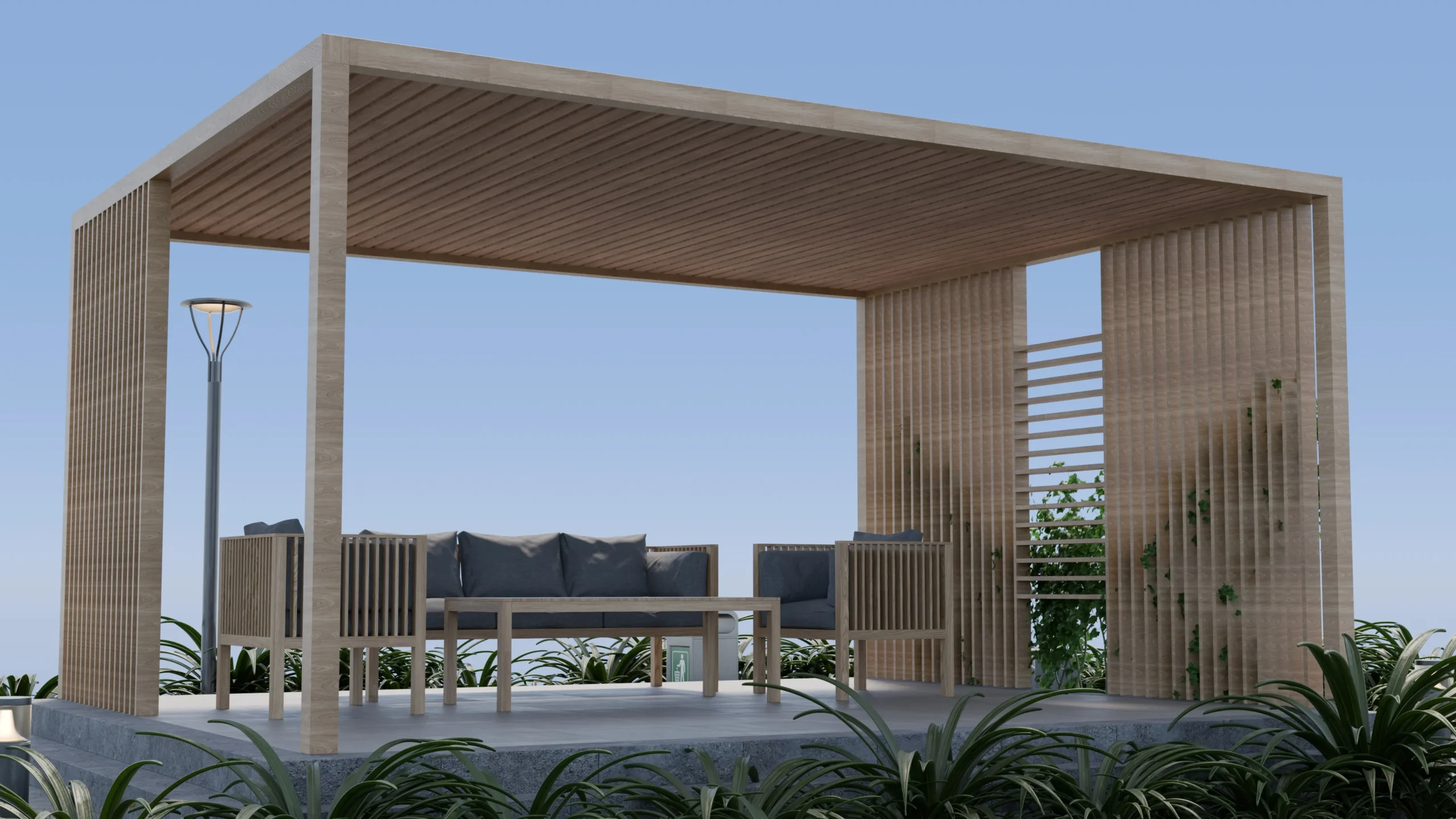
In today’s architecture, it’s no longer just about building structures, it’s about creating spaces that are efficient, visually appealing, and built to last. This is where soffit systems come into play.
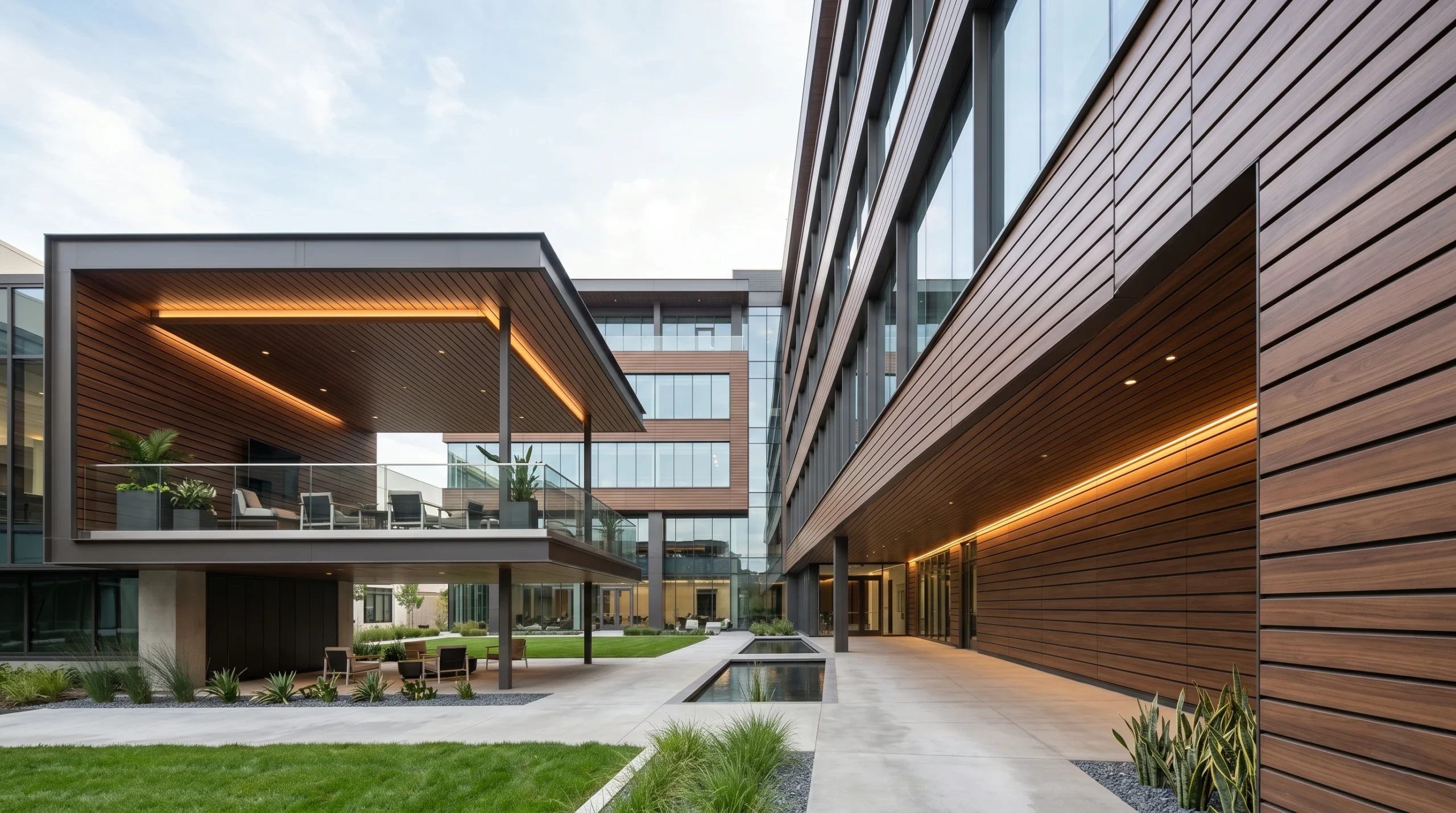
A soffit system is not just a single product, but a complete design approach that includes soffit, mini soffit, louver, and mini louver. Together, they offer a seamless combination of ventilation, protection, and modern aesthetics, making them an essential part of contemporary construction.
What is a Soffit System?
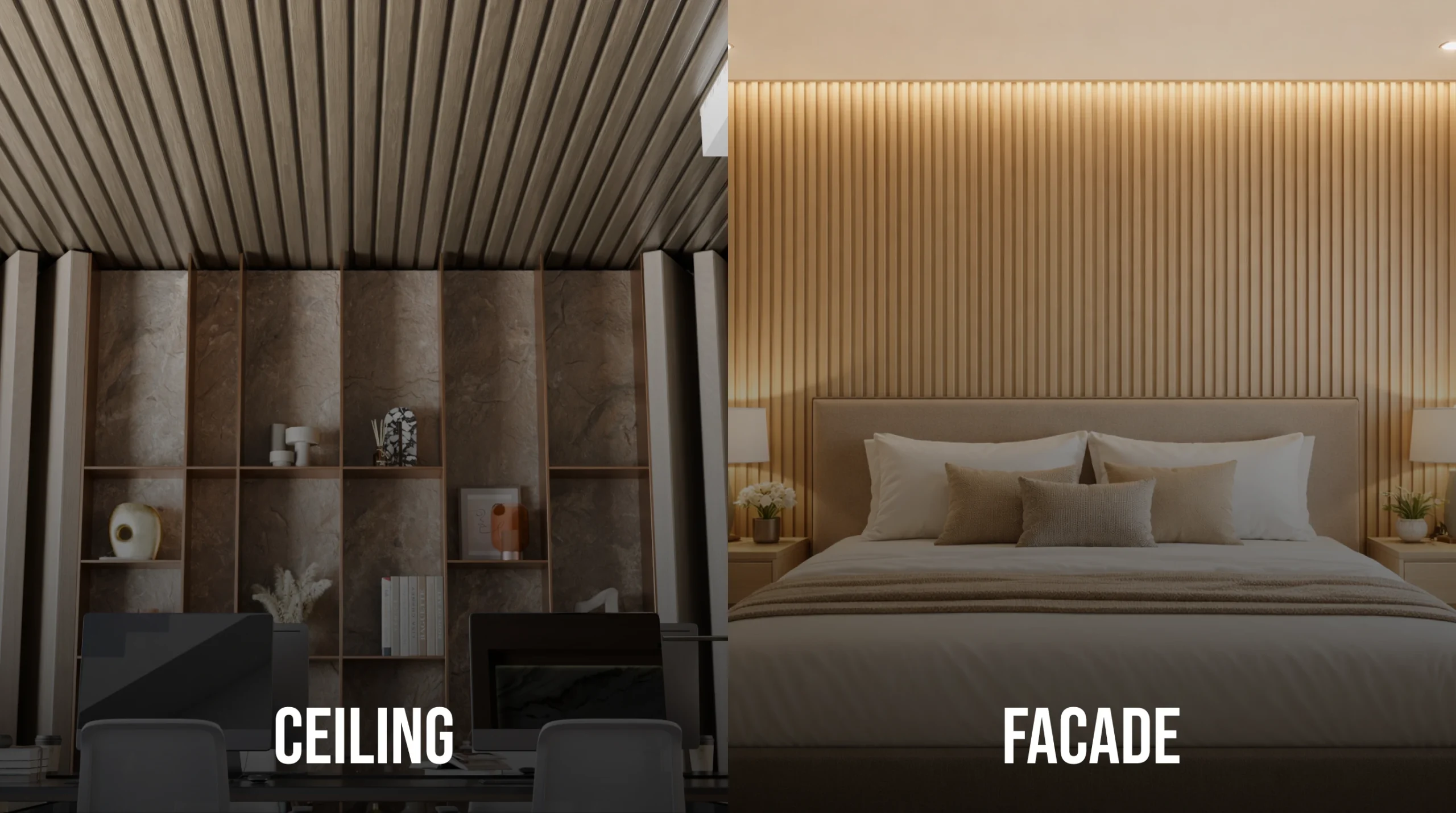
A soffit system refers to a collection of architectural elements used to enhance ceilings and facades while improving airflow and protecting structural components.
Instead of relying on one solution, soffit systems combine different products to achieve both functional performance and design consistency across a space.
Understanding the Components of a Soffit System
Soffit
A soffit is installed beneath overhangs or ceilings to cover exposed areas and allow ventilation. It provides a clean, finished look while protecting internal structures from moisture and heat.
Mini Soffit
Mini soffit are a more compact version, designed for spaces where subtle detailing and a lighter appearance are preferred. They offer the same benefits as standard soffit but with a more minimal visual impact.
Louver
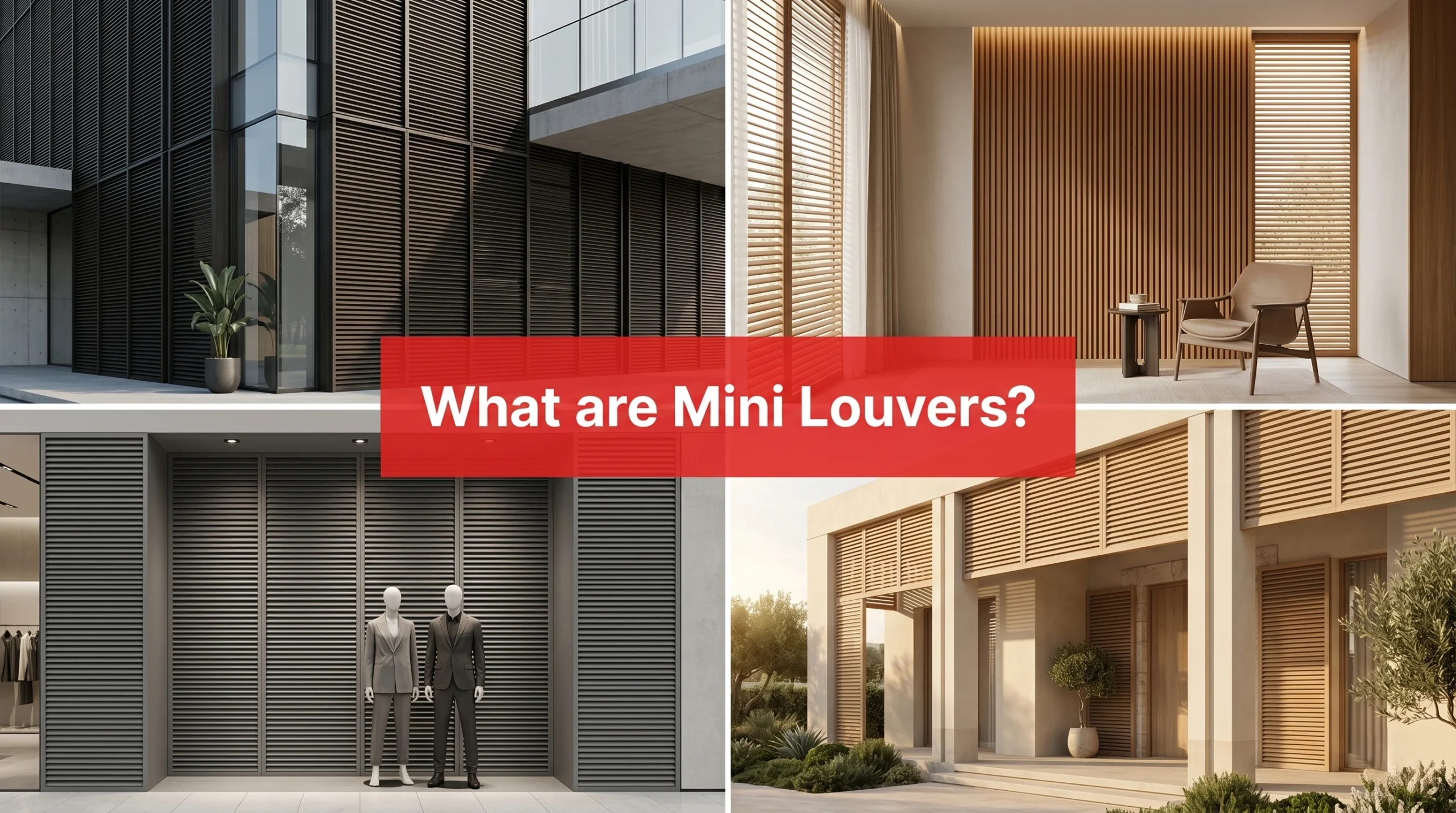
Louver consist of angled slats that allow air and light to pass through while blocking direct sunlight and rain. They are commonly used in facades and exteriors to improve airflow and add a bold architectural element.
Mini Louver
Mini louver are a refined version with smaller, closely spaced slats. They provide controlled ventilation, better privacy, and a softer, more elegant appearance.
Why Soffit Systems Are Important
Soffit systems play a crucial role in improving how a building looks and performs. They are designed to address multiple challenges at once ventilation, durability, and design.
They help:
- Maintain proper airflow throughout the structure
- Protect surfaces from weather damage
- Reduce heat buildup and improve comfort
- Create a neat and finished architectural look
Key Benefits of Soffit Systems
1. Complete Design Integration
Instead of mixing unrelated elements, soffit systems offer a unified design language across ceilings and facades.
2. Improved Ventilation & Airflow
With the combination of soffit and louver, these systems ensure continuous air circulation, which helps in maintaining temperature and reducing moisture.
3. Enhanced Aesthetic Appeal
Clean lines, modern finishes, and structured patterns elevate the overall look of any space whether residential or commercial.
4. Durability & Weather Resistance
High-quality soffit systems are built to withstand harsh environmental conditions, ensuring long-term performance.
5. Low Maintenance
Engineered materials require minimal upkeep, making them a practical choice for long-term use.
Applications of Soffit Systems
Soffit systems are highly versatile and can be used across various types of spaces:
Residential Spaces
- Balconies and terraces
- Exterior roof areas
- Modern ceiling designs
Commercial Spaces
- Office buildings and workspaces
- Retail stores and shopping malls
- Hotels and showrooms
Public & Industrial Spaces
- Airports and transit areas
- Parking structures
- Educational and institutional buildings
Why Choose a Soffit System Over Individual Products?
Using a complete soffit system ensures:
- Better coordination between different architectural elements
- Consistent design and finish
- Improved functionality through combined performance
- A more professional and premium end result
It simplifies both design and execution while delivering a stronger overall impact.
Conclusion
Soffit systems represent a modern approach to architectural design where functionality meets aesthetics in a seamless way. By combining soffit, mini soffit, louver, and mini louver, they provide a comprehensive solution that enhances both the performance and appearance of a space.
Whether you’re designing a home, office, or large commercial project, investing in a soffit system ensures a result that is efficient, durable, and visually refined.