Introduction
When it comes to modern architecture, the smallest details often make the biggest impact. One such element is the soffit, a feature that was once purely functional but has now become an essential part of contemporary design. Whether in homes, offices, or commercial spaces, soffit play a key role in enhancing both appearance and performance.
What is a Soffit?
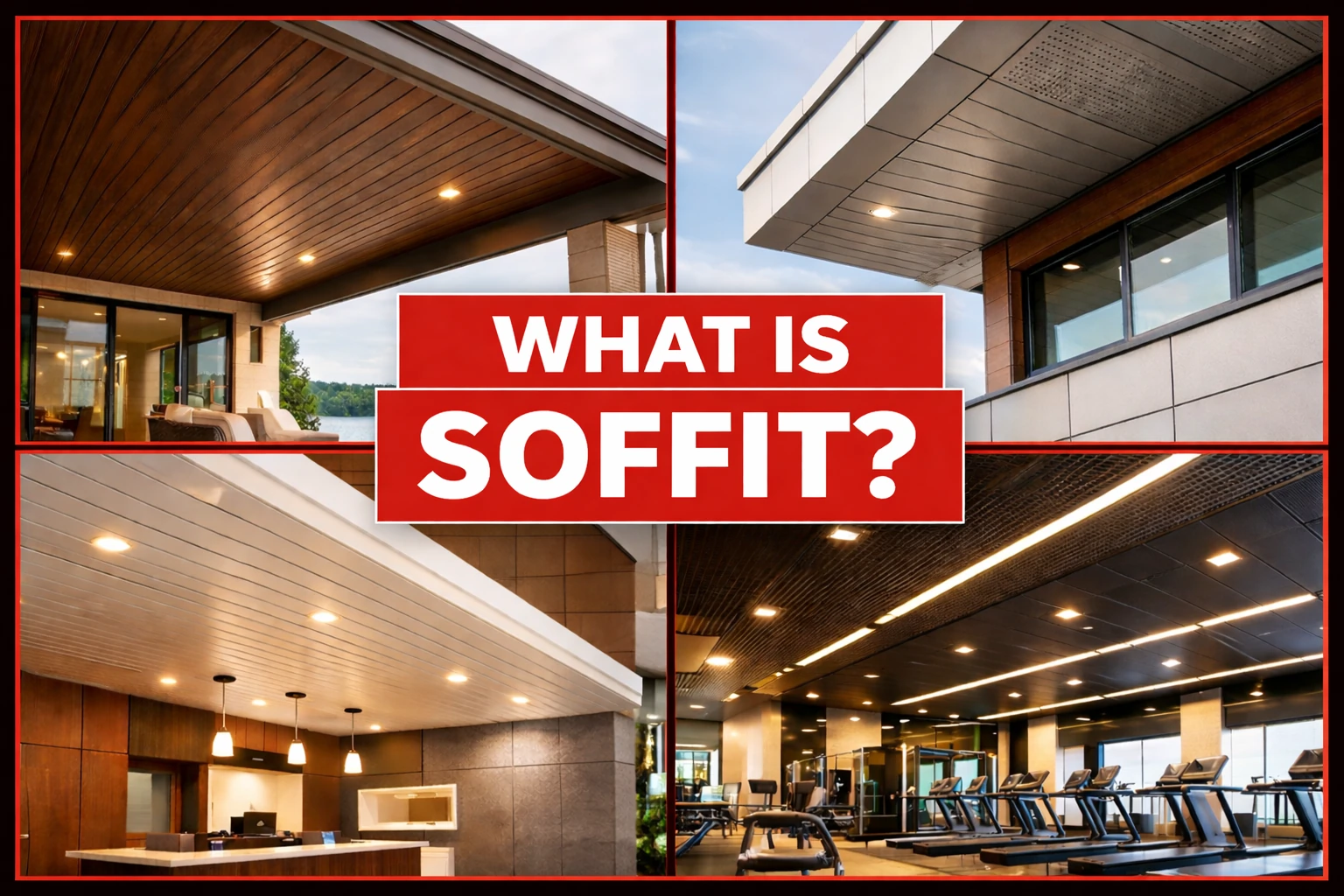
A soffit is the surface installed beneath the overhanging section of a roof, ceiling, or architectural structure. Traditionally, it was used to cover exposed structural components and allow ventilation. Today, however, soffit are designed with equal focus on aesthetics, durability, and functionality.
Modern soffit systems, especially aluminum or engineered variants, are crafted to deliver a clean, seamless finish while also supporting airflow and protection.
Why Soffit Are Important
Soffit may not always be the first thing people notice, but they significantly influence how a space feels and performs.
They help:
- Protect internal structures from moisture, dust, and external elements
- Improve ventilation and regulate temperature
- Conceal wiring, ducts, and uneven surfaces
- Create a polished and professional architectural finish
In short, soffit bring together practicality and design in a very subtle yet powerful way.
Key Benefits of Soffit Systems
1. Clean and Modern Aesthetic
Soffit provide a smooth and refined look to ceilings and exteriors. They help create sharp lines and a finished appearance that complements modern architecture.
2. Improved Ventilation
Proper airflow is crucial for maintaining building health. Soffit allow air to circulate, reducing heat buildup and preventing moisture-related issues.
3. Durability and Weather Resistance
High-quality soffit are designed to withstand varying weather conditions without warping, cracking, or fading, making them ideal for both indoor and outdoor use.
4. Low Maintenance
Unlike traditional materials, modern soffit require very little upkeep. A simple cleaning routine is usually enough to keep them looking new.
5. Design Flexibility
Available in multiple finishes such as wood textures, matte shades, and custom colors soffit can match a wide range of design styles, from minimal to premium.
Applications: Where Soffit Are Used
Soffit are highly versatile and can be used across different types of spaces:
Residential Spaces
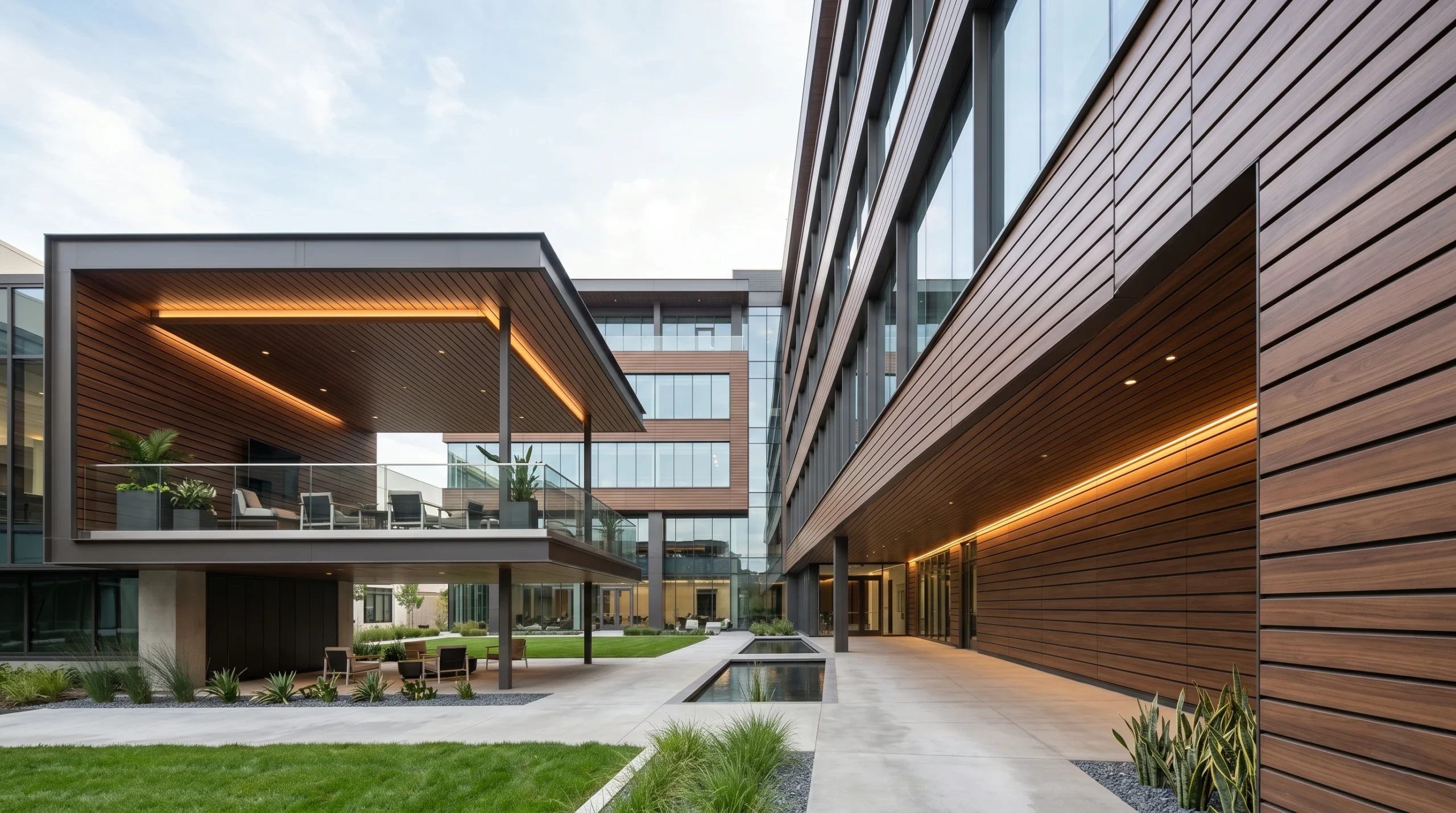
They are commonly used in balconies, terraces, living rooms, and exterior roof areas to create a neat and elegant finish.
Commercial Spaces
Offices, retail stores, malls, and showrooms use soffit to achieve a modern, professional look while maintaining functionality.
Public & Industrial Spaces
Soffit are also ideal for larger environments like airports, gyms, educational institutions, and transit areas where durability and ventilation are essential.
Why Soffit Are a Smart Choice
Choosing the right soffit system can significantly enhance the overall value of a space. It’s not just about covering structural elements it’s about improving the environment, both visually and functionally.
Modern soffit offer:
- Long-term performance
- Easy installation
- Consistent design quality
- A balance between utility and style
Conclusion
Soffit have evolved from being a basic structural necessity to a key design feature in modern architecture. They offer a perfect blend of style, performance, and practicality, making them an essential element in today’s construction and design projects.
Whether you’re working on a home, office, or large commercial space, incorporating soffit is a smart and future-ready decision that enhances both form and function.