Introduction
Modern architecture is increasingly moving toward designs that are clean, precise, and thoughtfully detailed. In this shift, mini louver have emerged as a refined alternative to traditional louver systems. They offer the same essential benefits ventilation, light control, and privacy but in a more compact and visually subtle form.
Perfect for spaces where every detail matters, mini louver bring a sense of balance and sophistication without overpowering the overall design.
What are Mini Louver?
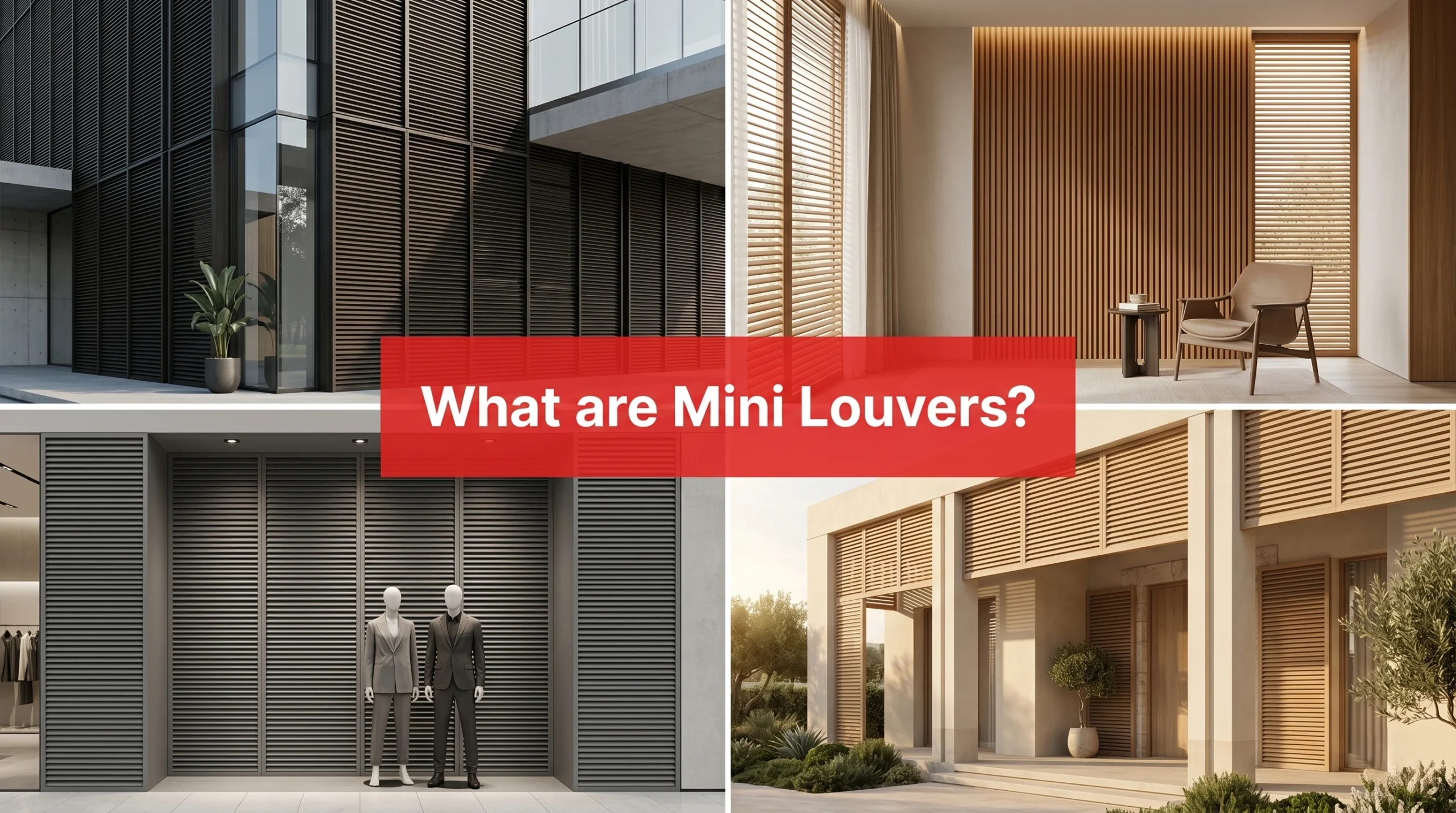
Mini louver are a slimmer and more compact version of standard louver. They consist of smaller, closely spaced slats that allow air and light to pass through while maintaining control over visibility and sunlight.
They are designed for applications where a lighter visual appearance is preferred, making them ideal for modern and minimal architectural styles.
Why Choose Mini Louver?
Mini louver are all about precision and control. They are used when designers want to achieve functionality without creating a heavy or bold visual impact.
They are a great choice when:
- The design requires fine detailing
- The space is compact or has limited surface area
- A subtle and elegant look is preferred
- You want to maintain a clean, modern aesthetic
Key Benefits of Mini Louve Systems
1. Refined and Minimal Look
Mini louver create a softer, more delicate visual pattern compared to standard louver, making them perfect for premium and modern designs.
2. Controlled Ventilation
They allow consistent airflow while maintaining a more enclosed and structured feel.
3. Balanced Light Filtering
Mini louver gently diffuse sunlight, reducing glare without completely blocking natural light.
4. Enhanced Privacy
Due to their tighter spacing, they provide better privacy while still keeping the space open and breathable.
5. Lightweight and Easy Integration
Their compact design makes them easy to integrate into different architectural elements without adding bulk.
Applications: Where Mini Louver Work Best
Mini louver are ideal for spaces where subtlety and detail are key:
Residential Spaces
- Balcony railings and window panels
- Facade accents for modern homes
- Partition elements in interiors
Commercial Spaces
- Office interiors with minimal design themes
- Retail and boutique stores
- Cafes and hospitality spaces
Design-Focused Areas
- Feature walls and decorative panels
- Reception and waiting areas
- Showrooms where aesthetics play a major role
Mini Louver vs Standard Louver
While both systems serve similar functional purposes, the difference lies in their visual impact:
- Standard Louver: Bold, more prominent, ideal for large facades and strong architectural statements
- Mini Louver: Subtle, refined, perfect for detailed and minimal design approaches
Choosing between the two depends on whether you want the element to stand out or blend seamlessly into the design.
Conclusion
Mini louver are a perfect example of how thoughtful design can elevate a space without being overpowering. They offer a smart combination of ventilation, privacy, and aesthetic finesse, making them a preferred choice for modern architecture.
If your goal is to achieve a clean, elegant, and contemporary look, mini louver provide the perfect finishing touch.