Introduction
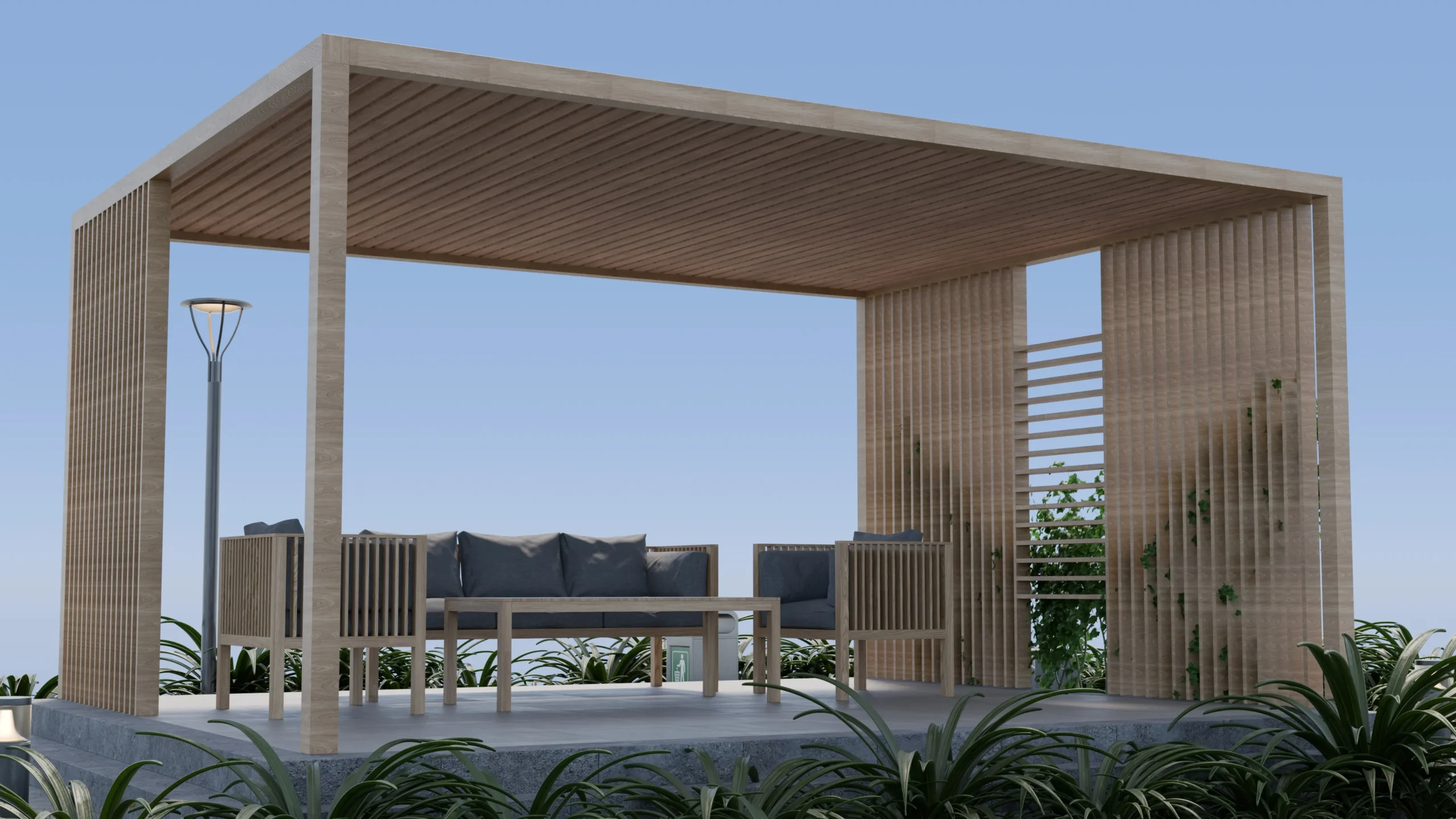
When people think about architecture, they often focus on layouts, furniture, or exterior shapes. But what truly defines the feel and performance of a space lies in the details especially ceilings and facades.
These elements are no longer just structural necessities. In modern design, they play a major role in shaping how a space looks, feels, and functions. From airflow and lighting to visual appeal and comfort, the right design choices can completely transform an environment.
The Shift Toward Functional Design
Architecture today is not just about aesthetics it’s about smart functionality. Designers and architects are now focusing on solutions that improve everyday experience while maintaining a strong visual identity.
Ceilings and facades are a big part of this shift. Instead of being plain or hidden, they are now used to:
- Enhance ventilation
- Control natural light
- Improve thermal comfort
- Add depth and character to spaces
This approach creates spaces that are not only beautiful but also more efficient and comfortable.
Why Ceilings Matter More Than Ever
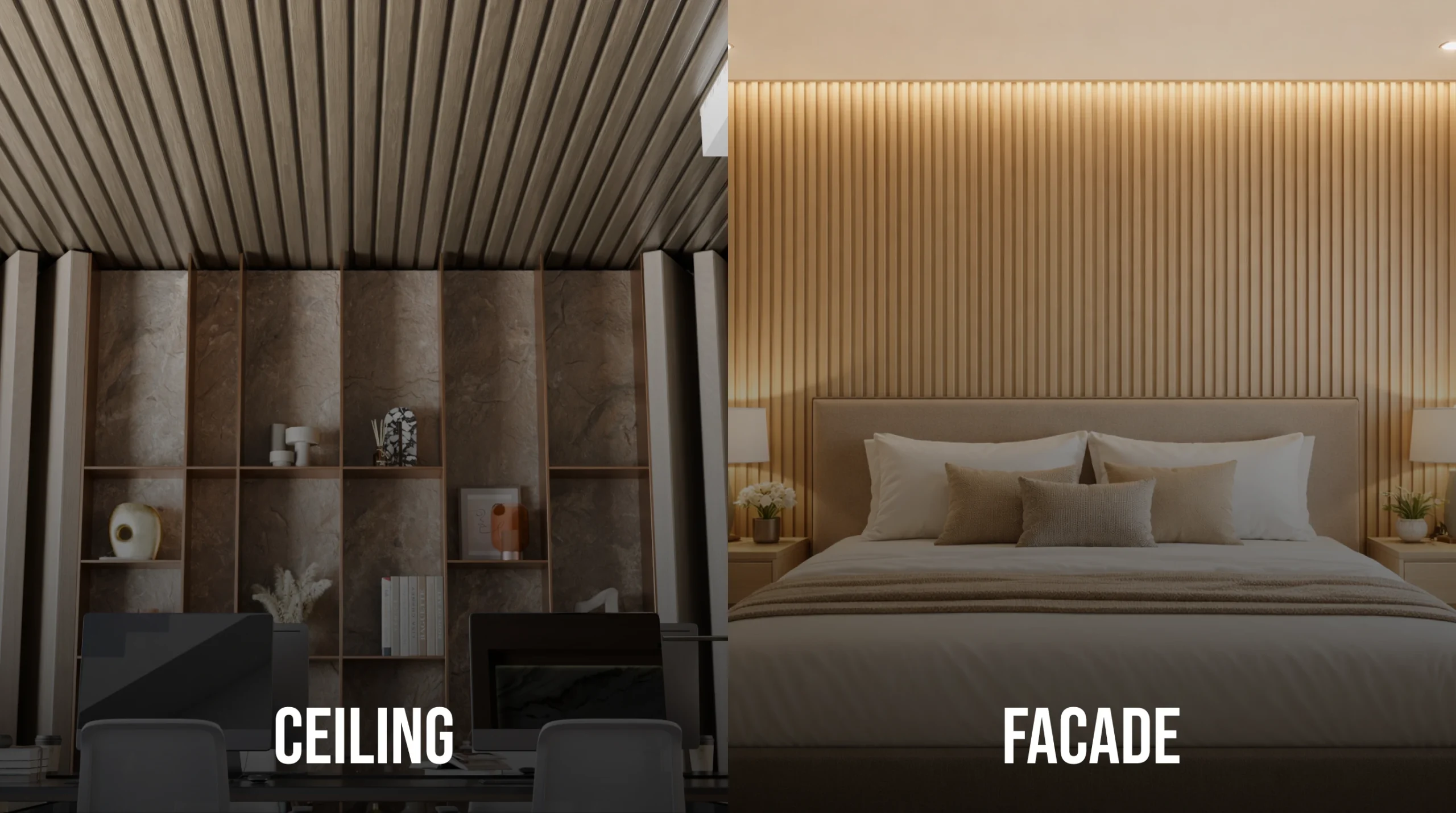
Ceilings are often called the “fifth wall” of a space and for good reason. A well-designed ceiling can define the entire mood of a room.
Modern ceiling systems help:
- Conceal wiring, ducts, and structural elements
- Improve acoustics in offices and commercial spaces
- Add a clean, organized look
- Integrate lighting seamlessly
A thoughtfully designed ceiling brings structure and clarity, especially in minimal and contemporary interiors.
The Role of Facades in First Impressions
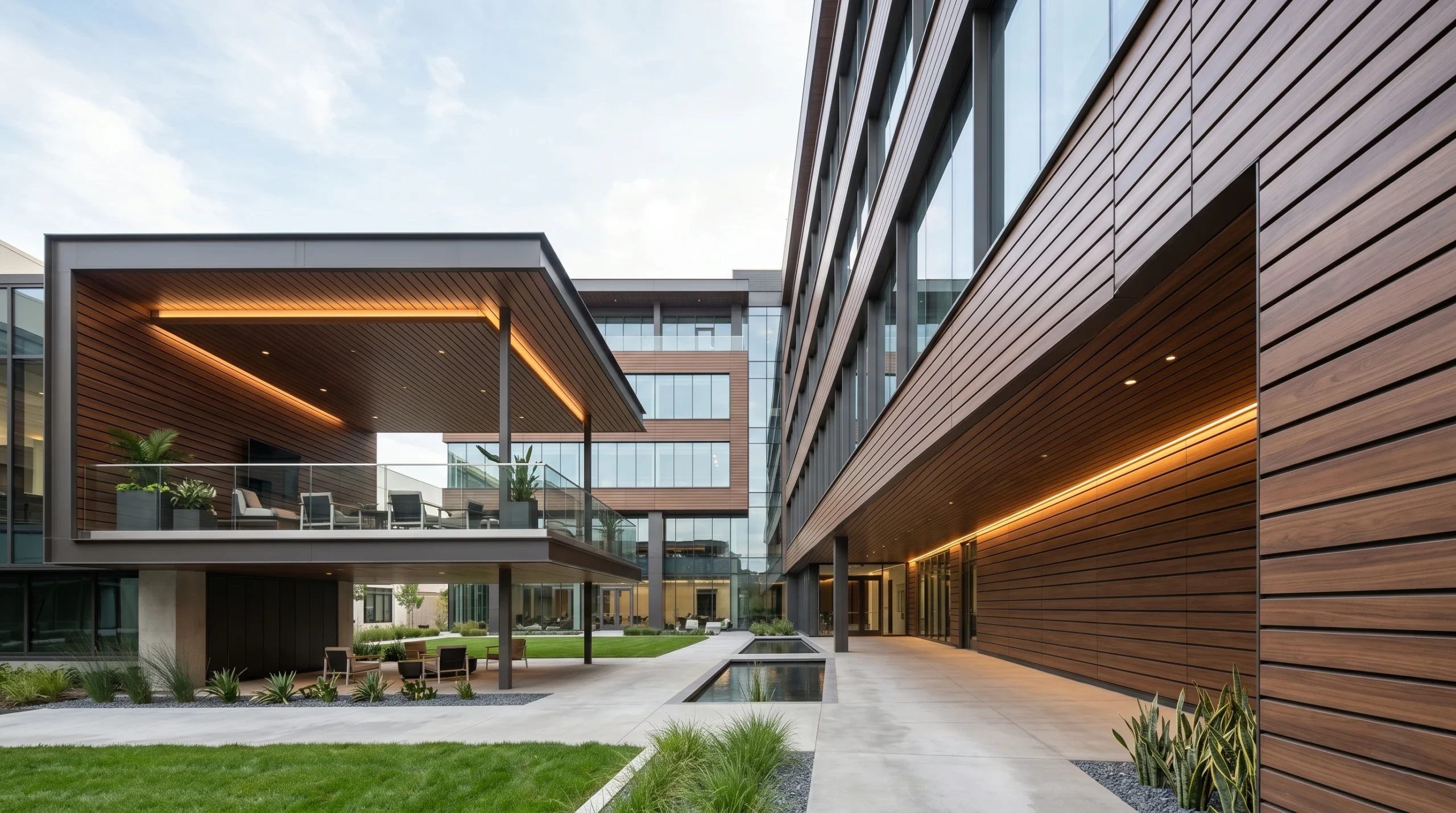
If ceilings define the inside, facades define the outside. They are the first thing people notice about any building.
A well-designed facade:
- Reflects the identity and purpose of the space
- Controls heat and sunlight exposure
- Improves energy efficiency
- Adds architectural depth and uniqueness
Modern facades often combine materials and systems that balance performance with visual appeal.
Ventilation & Light: The Hidden Essentials
Two of the most important aspects of any space are airflow and natural light yet they are often overlooked.
Good design ensures:
- Continuous airflow to reduce heat and humidity
- Controlled sunlight to avoid glare and overheating
- A comfortable indoor environment without over-reliance on artificial systems
This not only improves comfort but also contributes to energy efficiency and sustainability.
Minimalism and Clean Design Trends
One of the strongest trends in modern architecture is minimalism. Clean lines, simple forms, and clutter-free spaces are now preferred across residential and commercial projects.
This is where well-designed ceiling and facade elements make a difference. They help:
- Maintain a sleek and modern look
- Avoid visual clutter
- Create a sense of openness and balance
The goal is not to add more but to design smarter with fewer, better elements.
Long-Term Value of Smart Design Choices
Investing in high-quality architectural elements is not just about appearance it’s about long-term value.
Good design leads to:
- Lower maintenance requirements
- Better durability and performance
- Increased property value
- Improved user experience over time
It’s a decision that benefits both the present and the future of a space.
Conclusion
Modern architecture is all about thoughtful design where every element serves a purpose while contributing to the overall look and feel.
Ceilings and facades are no longer secondary features. They are key components that influence how a space performs, how it looks, and how people experience it.
By focusing on these often-overlooked areas, you can create spaces that are not just visually appealing, but also functional, efficient, and future-ready.